
Mounting
Professional mounting techniques for your artwork
 Framing
 Glazing
 Hanging
 Finishing
Mounting Options
The best mounting method for an artwork depends on several factors, including the type of artwork, your desired aesthetic, level of protection required, the frame style being used and the size and proportion of the piece once framed.
When mounting an artwork our primary consideration is always conservation, ensuring that the artwork is framed in a way to protect it whilst in the frame, and ensuring that all techniques used are reversible should the piece ever be removed from the frame.
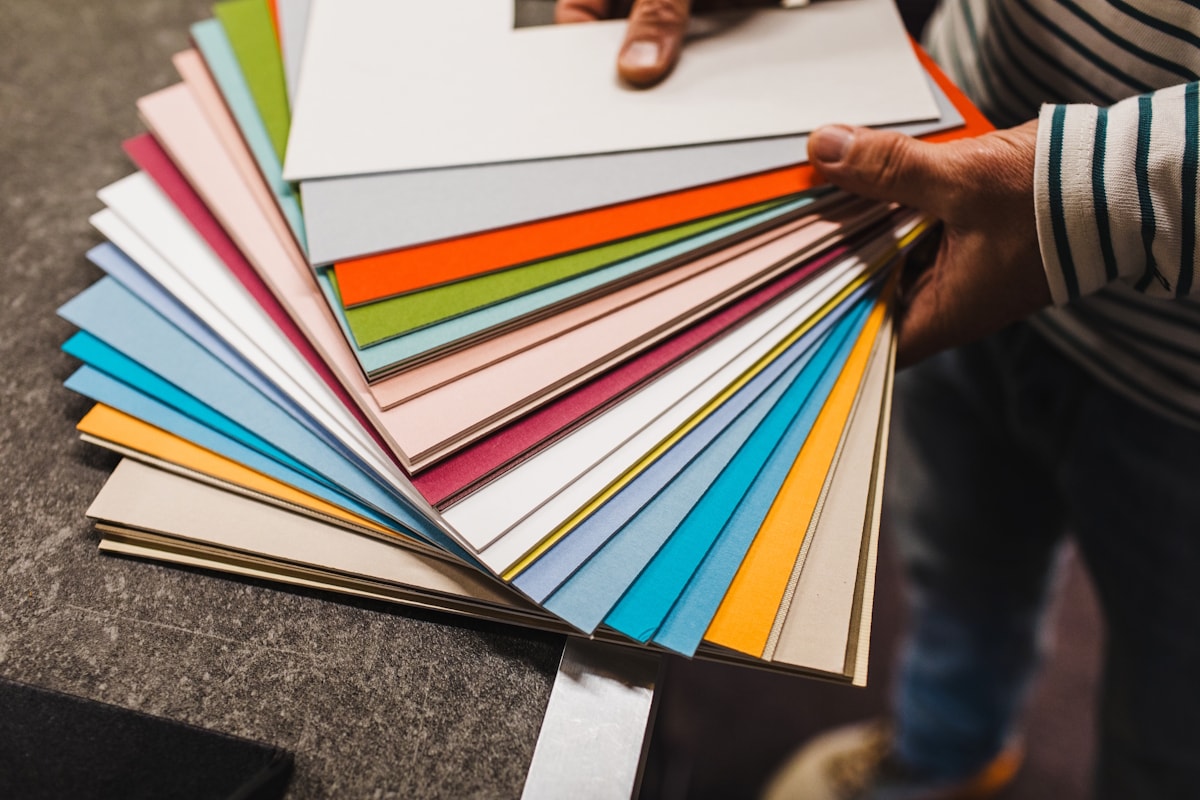
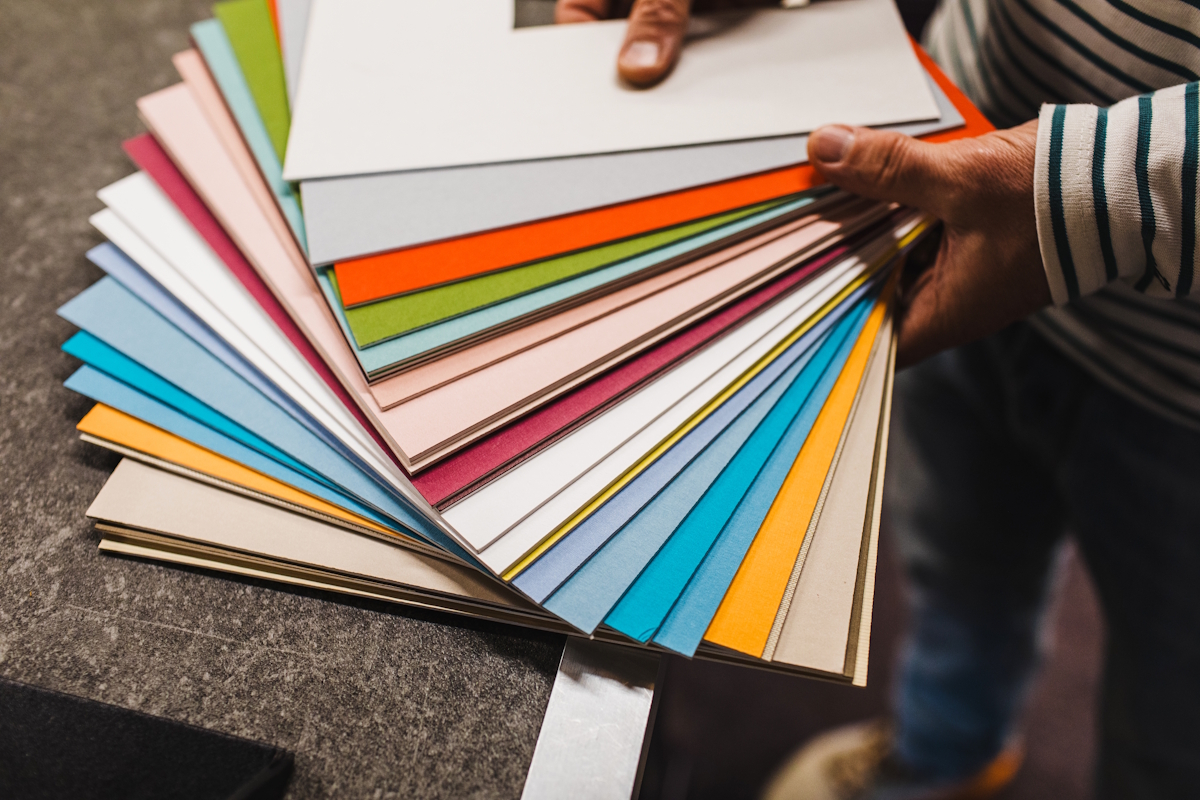
For this reason, we only use fully archival conservation mount boards with a quality of paper that has neutral pH (lignin-free and acid-free) and resistant to ageing. Our mount boards come in a vast range of big bold colours, a very wide selection of neutral hues and a variety of thicknesses.
Window Mount
This method creates a window around the artwork, providing a border and space between the artwork and the glass. A window mount typically consists of two pieces of acid-free mount board.
The window mount is the visible front piece, with a cut-out or aperture that exposes the artwork. The second piece is a solid backing, hinged to the front along one edge to provide the artwork with a solid backing. Your artwork would be hinged to the backing board using archival materials and conservation framing methods ensuring it is protected and can be reversed at any time.
Float Mount
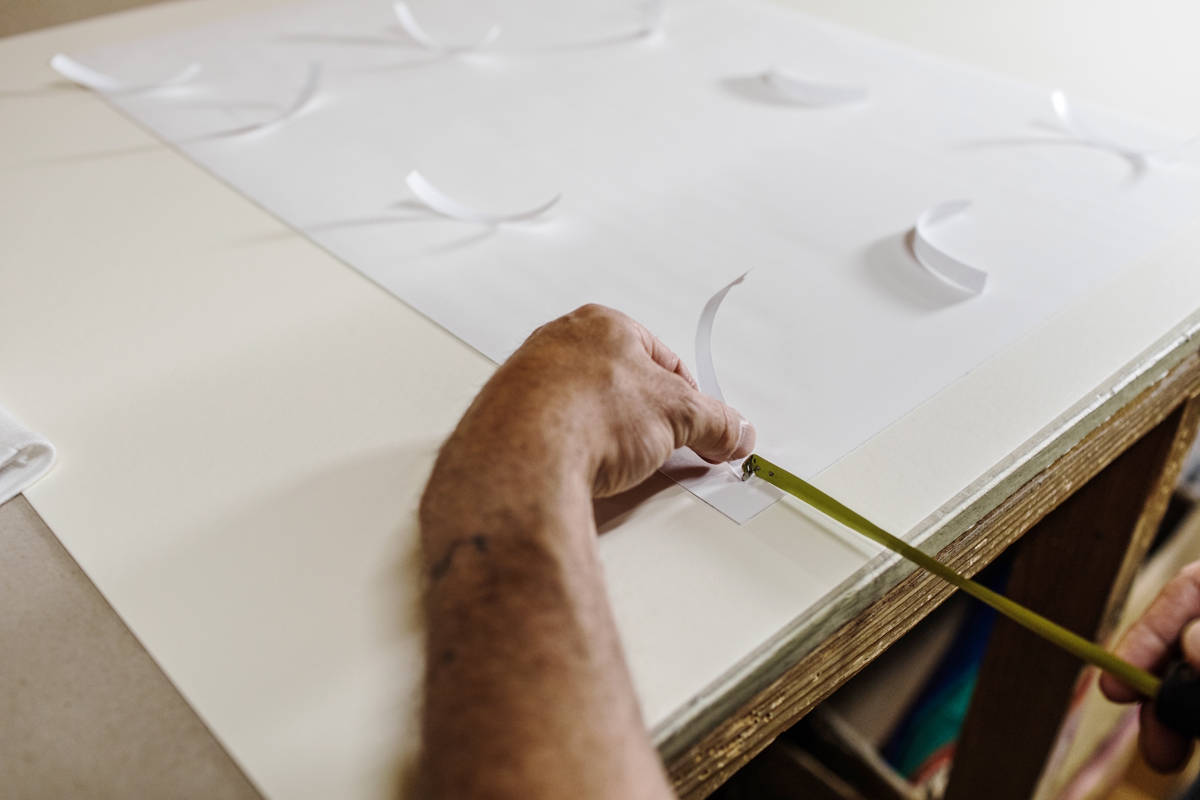
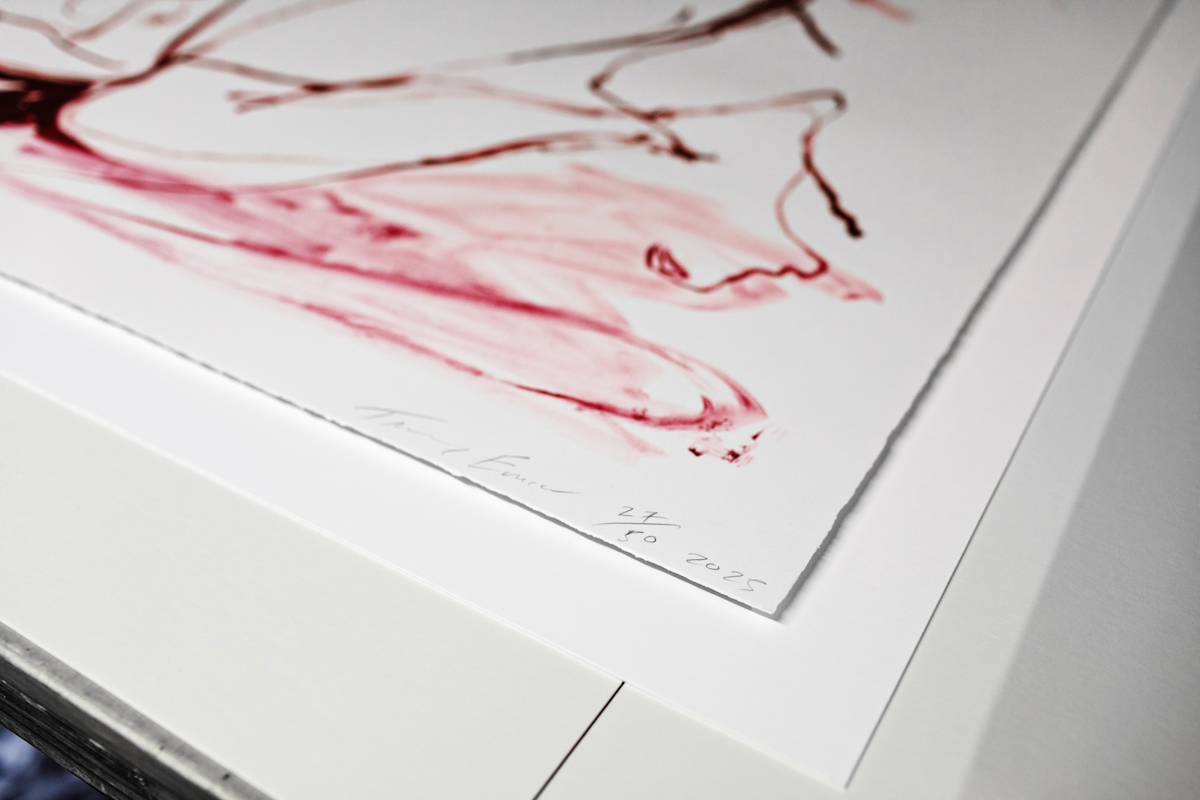
Float mounting, or floating means your artwork sits on top of a solid piece of mount board, as opposed to being behind an aperture in the mount board. This technique is a popular choice for contemporary artworks and works particularly well for pieces with deckled (torn like edges) as it allows the full artwork to be shown.
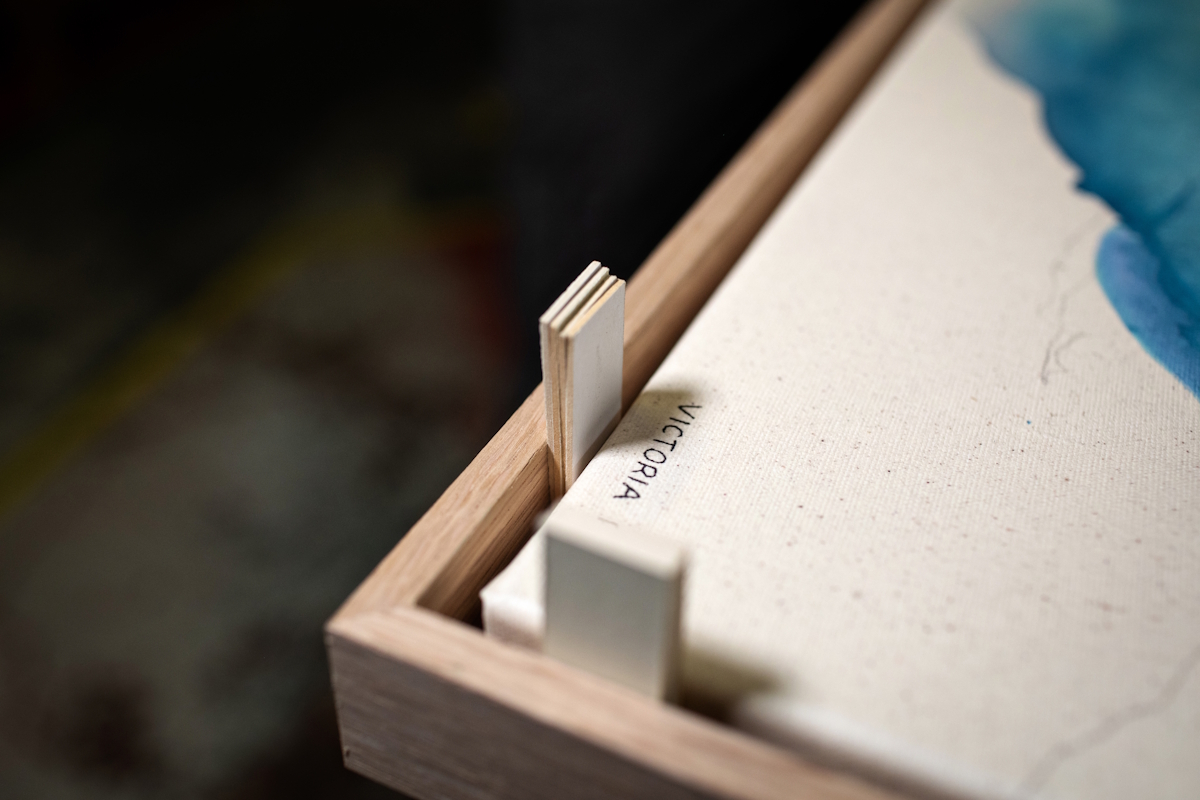
During this process strips of archival paper tape are adhered to the reverse of the print, threaded through slits in the backing card and taped down to ensure that your artwork is securely attached, whilst still being free to move when the paper fibres expand and contract during changes in atmospheric conditions. When float mounting the choice of frame needs to be considered as it must be deep enough to add spacers which prevent your artwork from touching the glass.
Raised Float Mount
This once again gives the impression that your artwork is floating in the frame, but with the addition of space between the backing board and the artwork, giving a stunning shadow effect around the paper edges.
As with float mounting, the work is hinged to the backing card, but this time the backing card is cut slightly smaller than the artwork itself, so is hidden. This is then adhered to a piece of foamboard which raises the work up above the solid backing, giving the illusion that the artwork is suspended within the frame. Once again, the choice of frame needs to be considered as it must be deep enough to add spacers which prevent your artwork from touching the glass.
Frame to Edge / Spaced
For a more minimalist and sleeker look you may want to consider framing your artwork to paper edge, whilst still ensuring that it is 100% safe by spacing it back away from the glazing.
For this technique we line the rebate of the frame and the wooden spacers with archival acid free tape, we then rest the artwork on the spacer before backing with a thick core mount board. For larger works we may need to float your work to a backing card to prevent it from sagging through the spacers.
We line the frame and spacers with acid free lining paper to ensure that no damage occurs where the very edge of artwork touches the spacer, the spacer can match the paper colour, the external colour of the frame or can pick out one of the colours from the artwork.
Let's Frame Your Next Masterpiece
Whether you have a single cherished artwork or need an exhibition framed, we're here to help.
Call or WhatsApp: 07958 752226
Or send us a message using our contact form